Every few years, someone declares door-to-door sales dead. Digital was supposed to bury it.
Yet drive through almost any suburb on a Saturday, and you will still find reps from solar, roofing, and HVAC companies working the block, because for a specific kind of business, knocking still out-earns the ad account. The question worth asking in 2026 is not whether door-knocking is old-fashioned.
It is why the industries with the highest-value customers and the most complex products keep coming back to it, even as their digital budgets balloon.
Key Takeaways
- Door-to-door is not a relic; it thrives where products are high-value, local, and need explanation.
- The best-fit industries share clear traits: homeowner buyers, visual inspections, and long, trust-driven decisions.
- HVAC, solar, and real estate each win at the door for different but related reasons.
- Door-knocking and digital marketing perform best together, not as rivals.
- Scaling door-to-door is an operational problem that systems, not willpower, solve.
- Door-to-door is highly measurable: contact rate, cost per acquisition, and referral rate all prove its return.
How D2D Sales Drive Growth in HVAC, Solar, and Real Estate
Door-to-door sales has quietly outlasted every prediction of its demise, and in high-ticket home services it is arguably stronger now than a decade ago.
Door-to-door sales remain effective for HVAC, solar, and real estate because these industries sell high-value, education-heavy products to homeowners in defined local territories, where trust and a face-to-face conversation close deals that digital ads cannot. As acquisition costs rise and online targeting weakens, proactive door-knocking creates demand instead of waiting for it.
This guide makes the business case: why face-to-face selling still converts when digital ads stall, what specific traits make an industry ideal for canvassing, and exactly why HVAC, solar, and real estate see such strong returns from it. It then covers where a growing field operation breaks down, and how the right systems keep an effective strategy from collapsing under its own scale.
Why Digital Leads Keep Costing More and Converting Less
For years the pitch was simple: move the budget online and the leads will follow. That math has quietly broken, and the businesses feeling it most are exactly the ones selling to homeowners.
- Ad costs only climb. Every home services company is bidding for the same clicks, so cost per lead rises each year while quality slips.
- Privacy changes blunted targeting. As tracking erodes, the precise target audience that digital once promised has become vaguer and more expensive at the same time.
- Inbound is passive. An ad waits for a homeowner to already want a new system. Most do not know they need one yet, so demand you could have created never surfaces.
- Local companies stay invisible. A great HVAC contractor three streets over is nowhere in a homeowner's feed until something breaks, and by then a competitor has answered the emergency call.
The hidden cost is a pipeline that depends entirely on a channel you neither own nor control. When acquisition gets more expensive every quarter, the companies that also run a proactive outreach channel win, which is exactly why so many are rediscovering the doorstep, a shift detailed in the return of door-to-door sales.
Is Door-to-Door Sales Still Effective in 2026?
> Why Face-to-Face Selling Still Works
Yes, and for reasons unrelated to nostalgia. A door-to-door salesperson does something no ad can: they create a real, direct interaction at the exact moment a decision can be influenced.
> The Advantage Digital Channels Can't Replicate
That in-person presence carries advantages digital cannot replicate. A rep can read a homeowner's body language, adjust their opening line in real time, and leave a positive impression that lingers long after a banner ad would have been scrolled past.
Face-to-face outreach also lets a company qualify potential customers on the spot rather than paying for clicks that never convert, and it taps into the same instinctive trust people extend in everyday life to a neighbor's recommendation. For products that need explaining, a visit is hugely beneficial precisely because it turns a confusing decision into a guided one.
> Creating Demand One Neighborhood at a Time
As outside sales in its purest form, door-knocking does not wait for demand; it manufactures it, block by block, expanding a company's customer base into neighborhoods no campaign was reaching.
What Makes an Industry Ideal for Door-to-Door Sales?
Not every business should knock doors. The strategy shines when a handful of conditions line up, and readers can use this list to judge their own fit.
- High-ticket, high-margin offers that justify the cost of a human conversation.
- Homeowners as the buyer, since the decision-maker is literally behind the door.
- A defined local territory, so reps can work an area efficiently.
- Products that require education, where an expert gives the buyer a clear understanding no ad can.
- A physical inspection component, letting a rep diagnose a real problem on site.
- Long, trust-driven decisions built on relationships rather than impulse.
- High customer lifetime value, so each closed deal funds the effort many times over.
Industries that check most of these boxes tend to sell products a homeowner cannot easily evaluate alone. That is why the same playbook that works for solar also works across a surprising range of other businesses. Sharpening the fit is less about door-sales tips and more about matching the right product to the right channel, and then giving reps the sales techniques and product knowledge to deliver it well.
Why HVAC Companies Win at the Door
> Seasonal Demand Creates the Perfect Opportunity
HVAC is a textbook fit. Systems are expensive, largely invisible until they fail, and tied to the seasons, which creates natural urgency a rep can act on.
> Face-to-Face Conversations Uncover More Opportunities
A door salesperson can quickly identify an aging or struggling system at a glance, something no online questionnaire captures. During a summer heat wave or a winter cold snap, that same visit turns a homeowner's discomfort into an immediate solution, whether a tune-up, a maintenance plan, or a full replacement.
> Personal Recommendations Build Trust Faster
Because reps evaluate the actual equipment in front of them, they can surface upsell and cross-sell opportunities honestly, recommending only what the system genuinely needs. Most homeowners do not realize they have a problem until someone knowledgeable starts the conversation, and that conversation is far easier to have on a porch than in an inbox.
Why Solar Is Almost Built for Canvassing
> Complex Purchases Benefit from Personal Guidance
Few products suit door-to-door better than solar. The purchase is high-value, the payback math is genuinely confusing, and a neighbor's visible panels do half the persuading before a rep ever knocks.
> Every Homeowner Needs a Different Conversation
Solar panels invite exactly the kind of personalized, in-person explanation that canvassing does best. A rep can walk a homeowner through roof suitability, translate a utility bill into real savings, and explain local incentives that change by region.
> Trust Turns Interest Into Installations
The sector still faces skepticism about cost and payback, so on-the-spot objection handling matters enormously; direct sales conversations let reps clear up myths that an ad would only deepen. Because solar is a long relationship rather than a one-time transaction, building relationships at the door pays off in referrals and word-of-mouth for years.
This is why canvassing has surged in newer solar markets, a trend covered in canvassing for solar sales in Canada and in how D2D software supports green initiatives.
Why Real Estate Agents Still Knock Doors
> Real Estate Is Built on Familiarity and Trust
Real estate is the outlier of the three, because the product is trust itself. Homeowners tend to list with the agent they already know, which makes physical presence a genuine competitive edge.
> Local Presence Creates Long-Term Opportunities
Agents who farm a neighborhood build the local recognition that wins listings later. A direct connection surfaces sellers that cold calls and emails never reach, and a confident sales pitch delivered in person positions an agent for off-market and expired-listing opportunities.
> Every Conversation Becomes Valuable Market Intelligence
When promoting a new development, an agent can show properties firsthand, and a simple business card handed over with a genuine personal touch keeps them top of mind for months. Knocking also doubles as market research: conversations with residents reveal housing trends and local sentiment that sharpen an agent's future sales strategy well beyond any single deal.
Which Other Home Service Industries Benefit?
- The Same Principles Apply Beyond HVAC, Solar, and Real Estate
The three headline industries are not alone. Any business selling a high-value, homeowner-facing service in a local area tends to see the same results.
- Local, Trust-Based Sales Continue to Win
Roofing thrives on door-knocking after storms, when visible damage creates immediate, qualified demand. Pest control builds recurring, subscription-style revenue from neighborhood routes.
Companies selling home security systems benefit because safety is an emotional, trust-led purchase best made face to face, and the same logic that makes those security systems sell at the door applies to window replacement, landscaping, painting, and telecom providers expanding into new areas.
- Why High-Ticket Home Services Keep Choosing D2D
Across the sales industry, the pattern holds: local territory, homeowner buyer, and a product that closes better in a conversation than in a click.
Every Knock Starts a Conversation. Don't Let It End There.
The hardest part is earning someone's attention. Keeping that opportunity organized is where Knockbase comes in.
See how Knockbase helps field teams stay one step ahead.
How Does Door-to-Door Compare to Digital Marketing?
The smartest operators stop treating this as a rivalry. Digital and door-to-door solve different problems, and together they outperform either alone.
| Dimension | Digital Marketing | Door-to-Door Sales |
|---|---|---|
| Approach | Passive, waits for intent | Proactive, creates demand |
| Targeting | Broad, weakening with privacy shifts | Precise, street by street |
| Trust building | Slow, impersonal | Immediate, face to face |
| Cost trend | Rising steadily | Predictable per rep |
| Best at | Capturing existing demand | Generating new demand |
Used well, digital captures the homeowners already searching, while door-knocking reaches the far larger group who are not searching yet. One fills the pipeline passively; the other fills it on purpose, which is why the strongest programs run both.
How Do You Measure Whether Door-to-Door Is Working?
Start with the Metrics That Matter Most
Skeptics are right to ask for proof, and the good news is that door-to-door is highly measurable once you track the right numbers instead of relying on gut feel.
Measure Every Stage of the Sales Funnel
Start at the top of the funnel. Contact rate, the share of doors that turn into a real conversation, tells you whether your timing, script, and territories are sound; a low rate usually points to when and where reps are knocking, not how hard they are working.
From there, watch two conversion steps separately: conversation-to-appointment and appointment-to-close. Splitting them matters, because a strong first number with a weak second one is a closing problem, while the reverse is a messaging or qualification problem, and each has a different fix.
Track ROI Beyond Conversations
The metric that convinces finance is cost per acquisition. Because door-to-door cost is largely predictable labor rather than an ad auction you keep re-entering, its cost per booked customer tends to hold steady even as digital creeps upward, which is much of why the channel is resurging for home services.
Long-Term Success Comes from Follow-Up and Referrals
Two longer-term signals round out the picture. Speed to lead, meaning how quickly a promising door gets its follow-up, quietly determines how many warm prospects actually convert, since interest cools fast.
And retention or referral rate shows whether the relationships built at the door are generating repeat business and word-of-mouth, which is exactly where high-lifetime-value industries earn back the cost of knocking. Track these on a consistent basis and the effectiveness question stops being a philosophical debate and becomes a simple dashboard any owner can read.
What Breaks When You Scale a Field Team?
Growth Creates New Operational Challenges
Here is the catch. Door-to-door works beautifully until you grow, and then the very thing that made it effective, human hustle, becomes hard to coordinate.
More Reps Mean More Complexity
Add reps and territories, and the cracks appear fast: two people knock the same street, promising leads get lost between shifts, and managers cannot see who is working where. Sales reps who face rejection all day lose momentum when there is no clear structure behind them, and follow up slips when a warm prospect lives only in one person's memory.
Poor Coordination Slows Team Performance
Without a system, sales goals become guesswork and sales efforts scatter. This is the point where informal coordination quietly caps growth, and where the best door-to-door reps get held back by bad logistics rather than bad selling.
Structure Keeps Momentum Alive
The reality of constant rejection makes that structure matter even more, because momentum is fragile and easily lost.
How Does Knockbase Turn Door-to-Door Into a Repeatable System?
Software does not replace the doorstep conversation; it protects it. Knockbase gives growing sales teams the structure to scale without losing what makes canvassing work in the first place.
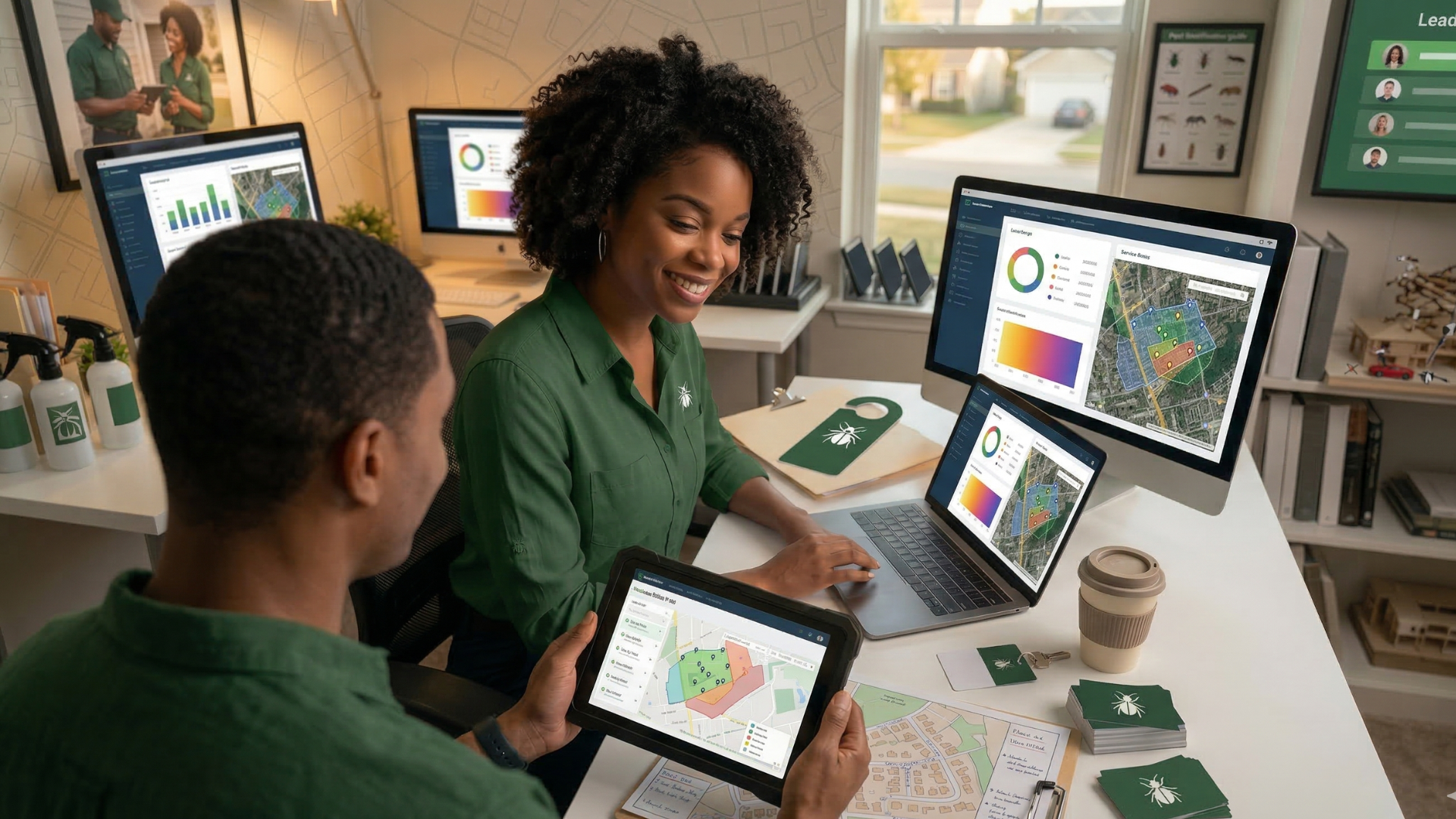
- With built-in territory mapping software, managers assign clean, non-overlapping turf so no street gets double-knocked or missed.
- The canvassing software captures every interaction in real time, so leads never live in a notebook.
- The sales rep management software shows managers exactly how field sales teams and individual sales representatives are performing while there is still time to coach.
- Reps run their whole day, from routing to appointment management software, inside one platform, which keeps the sales process consistent as top door-knocking teams add people and sell products across new markets.
The payoff is more new leads worked, faster follow-through, and an effective strategy that finally scales.
Conclusion
Door-to-door sales continues to deliver results because it creates something that digital channels alone often can't—trust. Whether you're explaining the long-term value of a solar installation, walking a homeowner through an HVAC replacement, or discussing a real estate opportunity, face-to-face conversations give buyers the confidence to ask questions, compare options, and make informed decisions.
As these industries become more competitive, success depends on more than great salespeople. It also requires the right systems to manage territories, track leads, coordinate follow-ups, and measure performance. Businesses that combine personal selling with modern field sales technology are better positioned to improve productivity, close more deals, and scale their operations without sacrificing the customer experience.
If your team already believes in the power of door-to-door sales, the next step is making every interaction more organized, measurable, and repeatable.
Your reps knock on doors. Let Knockbase open the opportunities
Every conversation has the potential to become a customer if it's tracked, followed up, and managed the right way. Knockbase helps your team do exactly that.
Book your demo and see how smarter field sales start with better software.
FAQ's
Is door-to-door sales still effective in 2026?
Yes, especially for high-value home services. As digital ad costs climb and targeting weakens, face-to-face outreach that creates demand and builds trust has become more valuable, not less, for the industries that suit it.
Which industries benefit most from door-to-door selling?
HVAC, solar, and real estate lead the list, along with roofing, pest control, and home security. The common thread is a high-ticket product sold to homeowners in a local area, usually one that benefits from a visual inspection or in-person explanation.
Is door-to-door sales a good career?
It can be. Commission-based roles reward results, so strong reps often earn well beyond the average salary of comparable entry-level positions, though income varies widely and the work rewards resilience and a great door-to-door work ethic.
Does door-to-door replace digital marketing?
No. They complement each other. Digital captures homeowners already searching, while door-knocking reaches the larger group who are not, so the two channels together build a stronger, more predictable pipeline.
How do you scale a door-to-door team without chaos?
Structure. Clear territories, real-time tracking, and consistent follow-up, usually managed through dedicated software, prevent the overlap and lost leads that otherwise appear the moment a team grows.